IGNEOUS
Cooled from molten rock
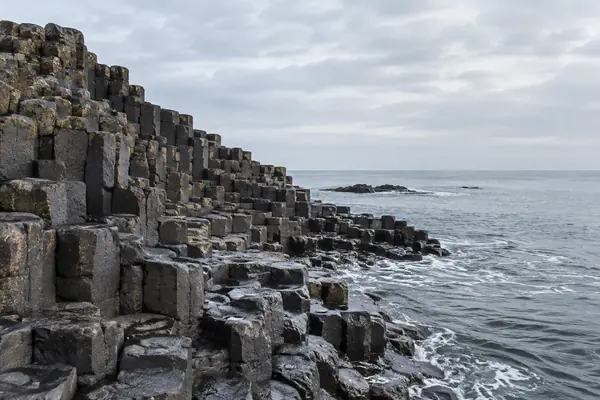
Magma that cools underground slowly grows large crystals, like granite. Lava that cools at the surface sets fast and fine-grained, like the basalt of the Giant's Causeway.
Read a rock doodlerock
MILLIONSof years in the making
Some cooled from molten rock, some built up from sand and mud, and some were changed by heat and pressure. The British Geological Survey describes how rocks are slowly recycled from one type to another over millions of years.
Updated
THE SHORT ANSWER
Geologists group rocks by how they formed.
Each type can, given time, become another.
IGNEOUS
Magma that cools underground slowly grows large crystals, like granite. Lava that cools at the surface sets fast and fine-grained, like the basalt of the Giant's Causeway.
Read a rockSEDIMENTARY
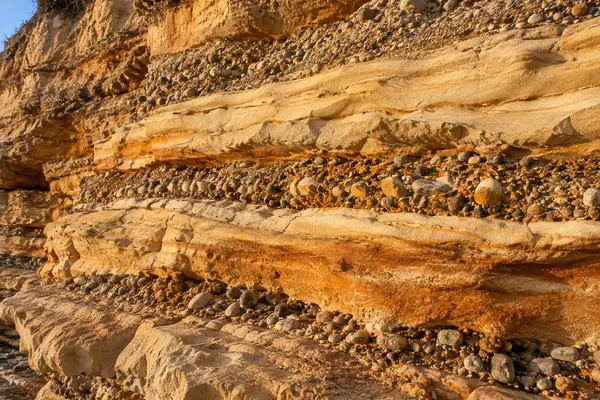
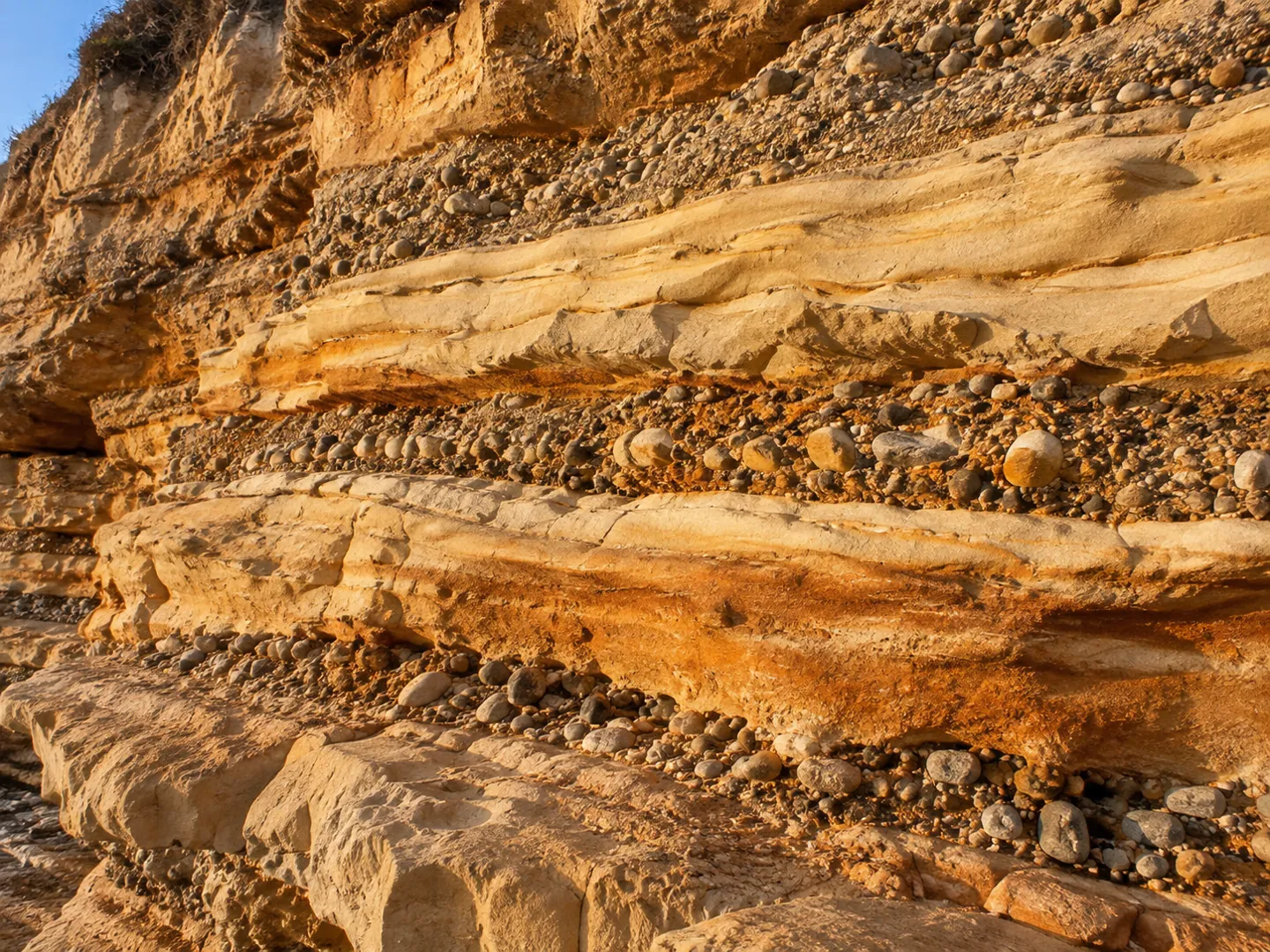
Sand, pebbles and mud worn from older rock are carried away and laid down, usually in seas and lakes. The layers, called strata, are compacted and cemented over time.
Spot oneMETAMORPHIC
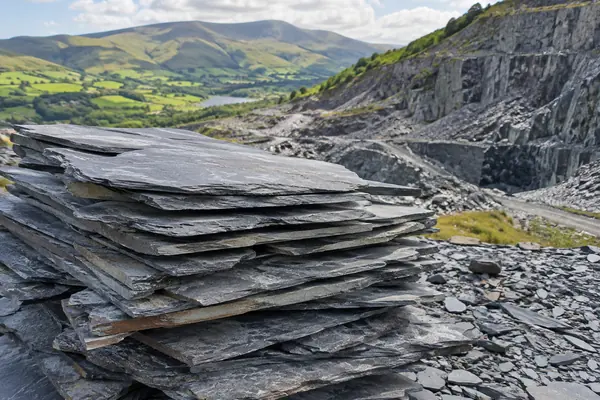
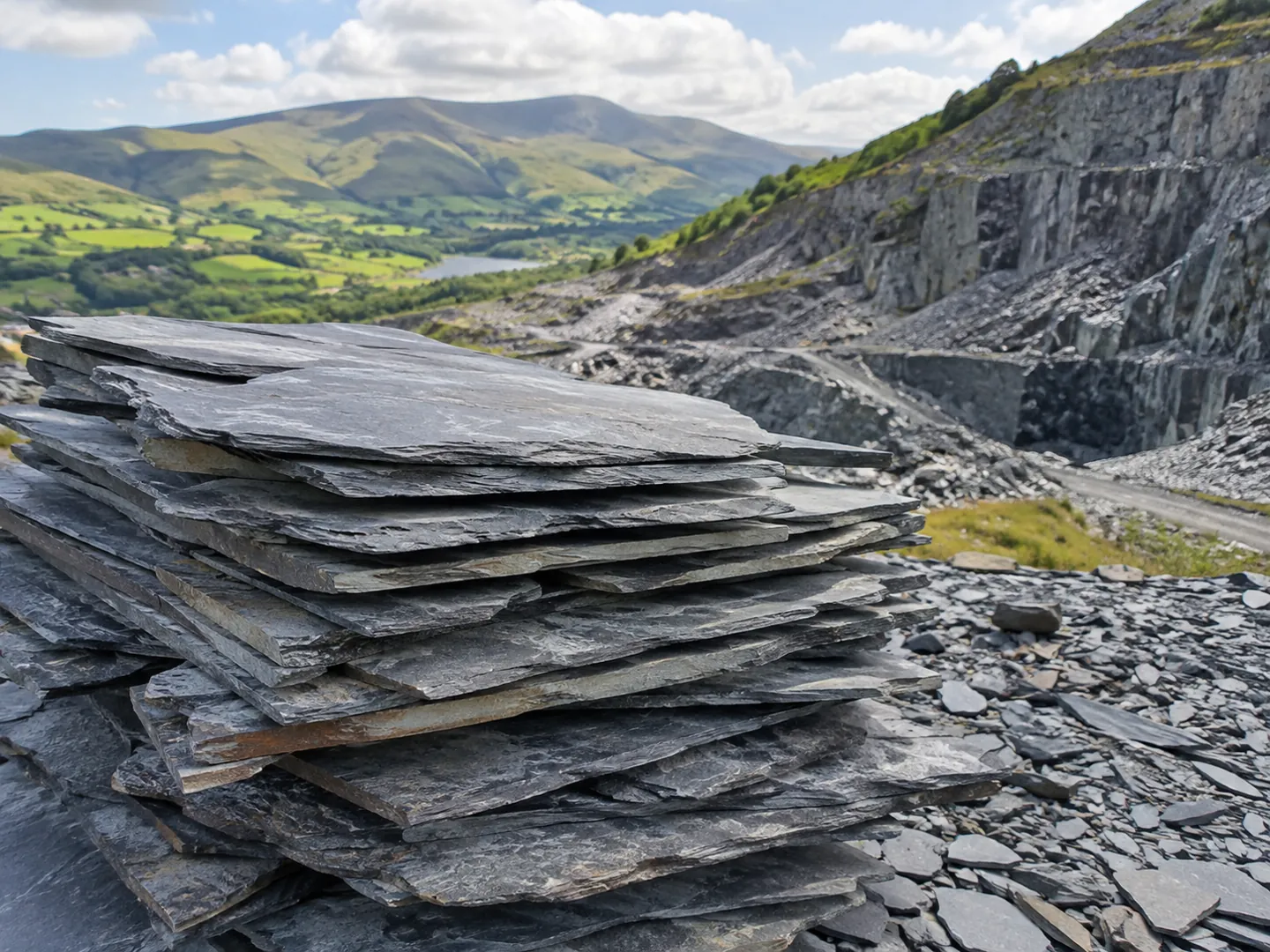
Deeply buried rock under intense heat and pressure changes without melting. Limestone becomes marble and shale may become slate.
See the numbersREAD A ROCK
Pick what you notice in a rock to see which type it probably is. The bar shows how much heat the rock has been through: melted, heated without melting, or not heated at all.
Based on British Geological Survey and Sedgwick Museum guidance. A rough field guide, not a lab identification.
TWO NUMBERS WORTH KNOWING
One UK landmark, two numbers:
how big it is and how old it is.
≈ 40,000 columns
Basalt columns standing out from the sea
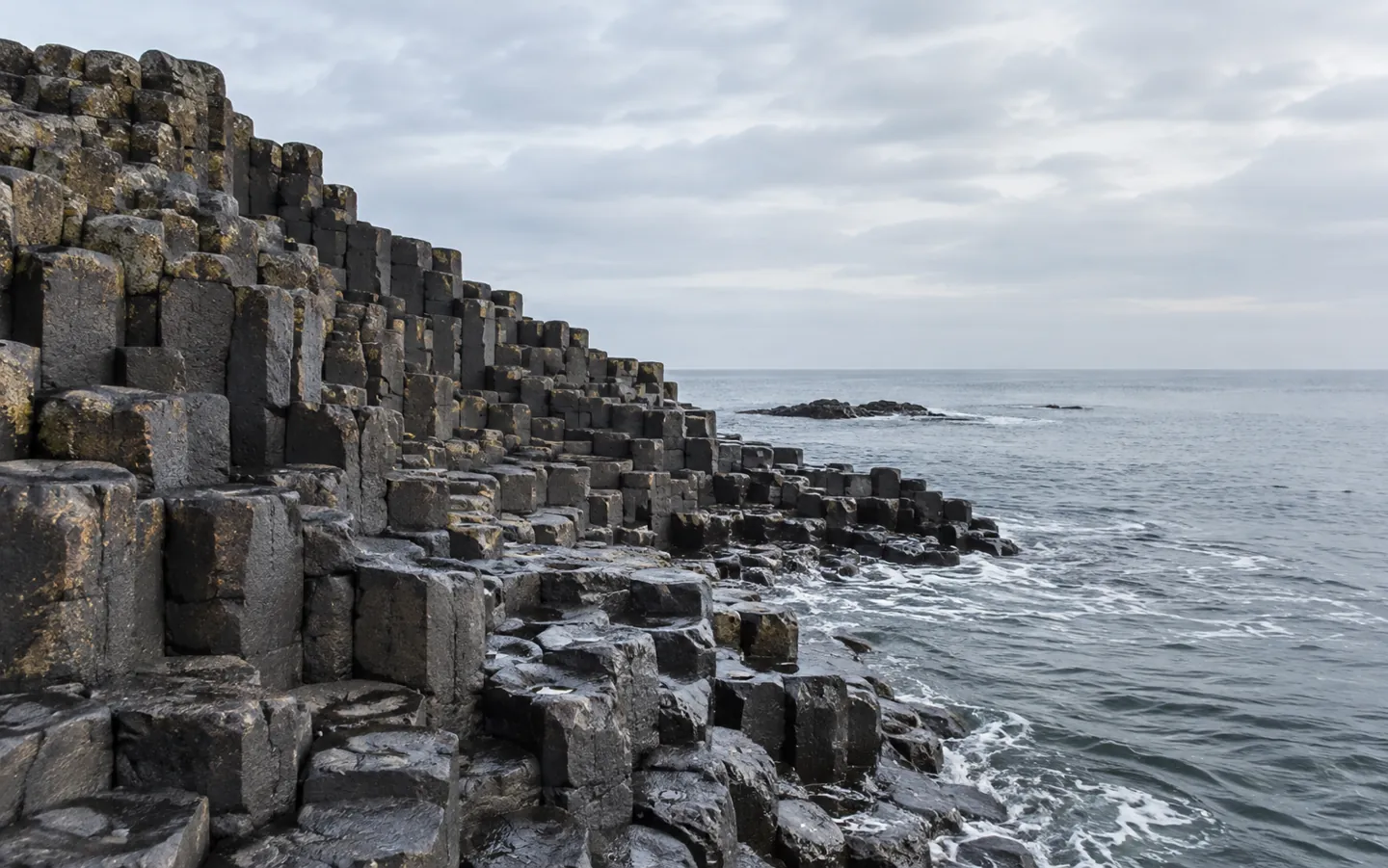
UNESCO describes some 40,000 massive black basalt columns at the Giant's Causeway in County Antrim, a World Heritage Site since 1986. The BGS says the columns formed from cracks as the lava cooled.
GIANT'S CAUSEWAY · UNESCO
50–60 million years ago
When the volcanic activity happened
UNESCO dates the Causeway's volcanic landscape to the Tertiary period, around 50 to 60 million years ago. The BGS says the rock cycle itself plays out over millions of years.
AGE · UNESCO
The Geological Society says Britain has a larger variety of rocks than any other similar-sized area of the world, formed over many millions of years as the land moved slowly around the globe.
FOUR WAYS TO LOOK
You do not need a hammer or a lab. Walls, cliffs, beaches and old buildings are full of rock, and a careful look tells you a lot.
Interlocking crystals mean igneous or metamorphic rock. Large crystals in an igneous rock mean slow cooling underground.
Bands of sand, pebbles or mud stacked on top of each other are strata, the signature of sedimentary rock.
Shells and plant remains turn up in sedimentary rock. Limestone forms from the shell fragments of sea creatures.
Stripy, folded crystals suggest metamorphic rock, squeezed and heated deep underground.
THE ROCK CYCLE
Weathering breaks rock down where it stands, and erosion moves the pieces by gravity, wind, rain, rivers, the sea and glaciers. The pieces are deposited, buried and hardened into sedimentary rock.
Burial brings heat and pressure that make metamorphic rock, and melting makes magma that cools into new igneous rock. Uplift brings it all back to the surface, and the cycle starts again.
Questions
Igneous, sedimentary and metamorphic. The British Geological Survey classifies rocks by how they formed: from cooled molten rock, from layers of sediment, or by heat and pressure changing an existing rock.
It describes how rocks are slowly recycled from one type to another over millions of years, through weathering, erosion, deposition, burial, metamorphism, melting and uplift.
Cooling speed. Magma that cools very slowly underground, possibly over thousands or millions of years, grows large crystals. Lava that cools quickly at the surface forms small, fine-grained crystals.
Basalt at the Giant's Causeway in County Antrim, granite at Peterhead in Scotland, slate in North Wales and Cornwall, and schist and gneiss in Scotland, according to the BGS and the Geological Society.
No. Metamorphic rock changes under heat and pressure without melting. If rock does melt, the magma cools into igneous rock instead.
ABOUT THIS NAME
doodlerock.com is part of the DoodleSale portfolio. It isn't in an auction right now, but you can ask about leasing it.